Cast Iron vs. Nonstick Skillets: Which Belongs in Your Kitchen?
One pan sears like a steakhouse and lasts decades; the other glides through eggs and rinses clean in seconds. Here's how to choose — and why most kitchens end up with both.
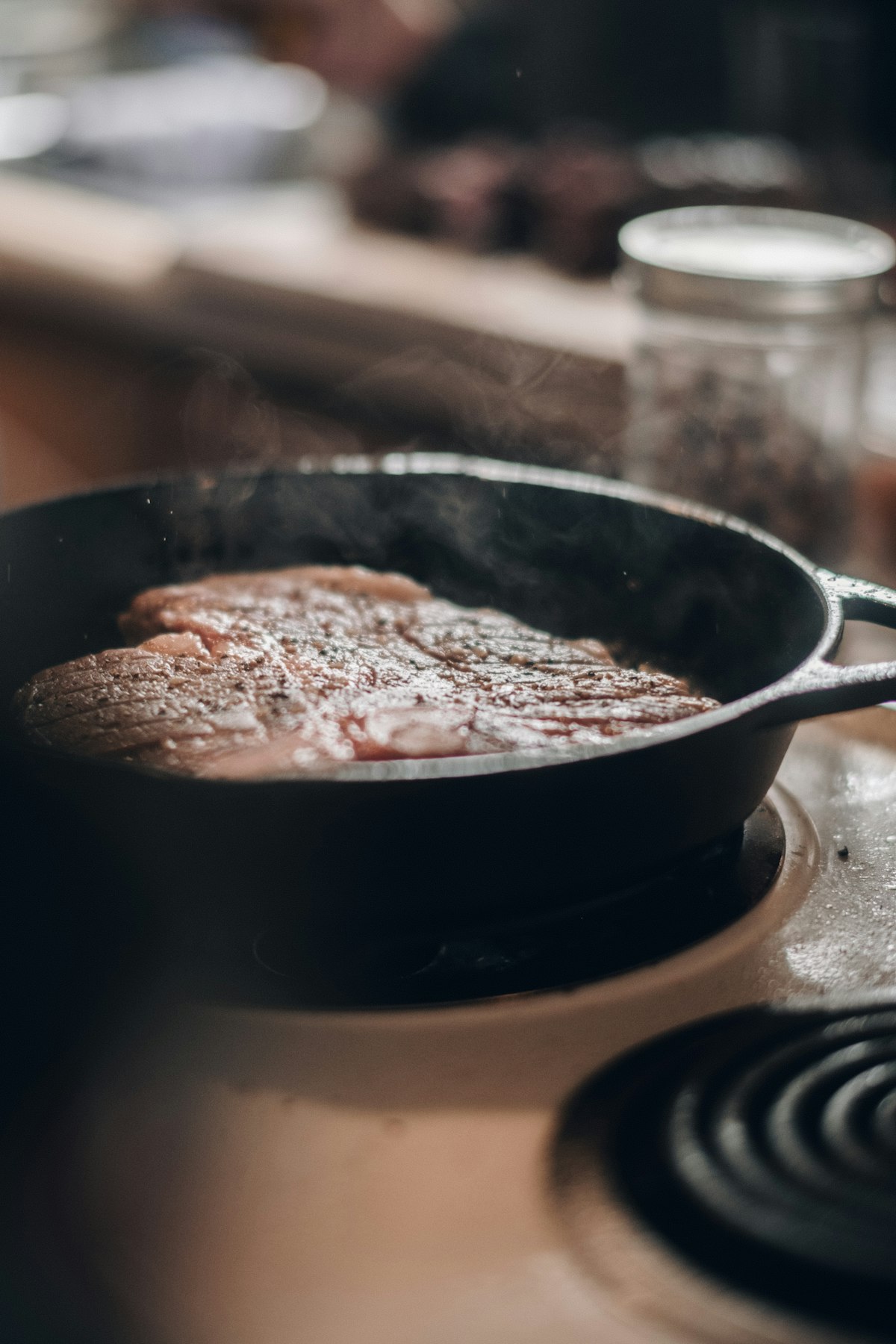
Every kitchen has the same quiet argument happening in the pan drawer. On one side: the heavy cast iron skillet that sears like nothing else but asks for a little ceremony. On the other: the light nonstick pan that cooks eggs beautifully, shrugs off cleanup, and slowly wears out like a favorite pair of shoes.
Most cooks end up owning both, and honestly that is often the right answer. They are good at opposite things. The real question is which one will do the most work in your kitchen, with your weeknight habits, before you spend money on a second pan at all.
Below is a plain-English breakdown based on published specifications and long-term owner feedback, so you can pick the pan that fits the way you actually cook — not the way a cooking show cooks.
The short version
- Choose cast iron if you sear meat, finish dishes in the oven, bake cornbread or skillet cookies, and want a pan that can last decades.
- Choose nonstick if you cook a lot of eggs, fish, pancakes, and delicate foods, want fast cleanup, and accept replacing the pan every few years.
- If you can only buy one today and cook a mixed diet, a pre-seasoned cast iron skillet plus a cheap small nonstick for eggs is the combination most owners end up happiest with.
- Neither pan is "better" in the abstract. They fail at each other's best jobs.
What to look for
Whichever direction you go, these are the details that matter in daily use:
- Weight you can actually lift one-handed. A 12-inch cast iron skillet weighs around 8 pounds empty. If that makes you avoid using it, it is the wrong pan no matter how well it sears.
- Oven safety. Cast iron is oven- and broiler-safe essentially without limit. Nonstick pans are often limited to 350–500°F depending on the coating and handle material — check the maker's stated limit.
- Induction compatibility. Pure cast iron works on induction. Nonstick pans need a magnetic base; not all have one.
- Handle design. A helper handle opposite the main grip makes a loaded cast iron pan far easier to move. On nonstick, a riveted metal handle outlasts a plastic one and is usually oven-safer.
- Coating honesty. All nonstick coatings are consumable. PTFE-based coatings typically outlast ceramic-style "sol-gel" coatings, which often lose slickness faster despite greener marketing.
- Warranty and lineage. Established makers publish clear seasoning, care, and warranty terms. Vague no-name pans rarely do.
Cast Iron Seasoned Skillet
The default recommendation for a first cast iron pan: pre-seasoned, made in Tennessee, and available in the versatile 10.25-inch size most burners and households suit best.
- Pre-seasoned with vegetable oil, ready to cook
- Helper handle and hanging hole for storage
- Oven, broiler, grill, and induction safe
- + Exceptional searing for the price class
- + Durability measured in decades, not years
- + Seasoning improves with regular use
- – Heavy — about 5 pounds at 10.25 inches
- – Needs drying and a light oil wipe after washing
Enameled Cast Iron Signature Skillet
Cast iron's searing power with an enamel coating that skips seasoning entirely and shrugs off acidic sauces and dishwashers.
- Black satin enamel interior, no seasoning required
- Extended helper handle and spouts on both sides
- Compatible with all cooktops including induction
- + Handles tomato sauces and wine reductions cast iron purists avoid in bare iron
- + Superb heat retention with easier care
- + Backed by a long-standing premium maker
- – A serious investment next to bare cast iron
- – Enamel can chip if banged with metal or dropped
Professional Nonstick Fry Pan
A heavy-gauge aluminum nonstick pan that owner feedback consistently rates as punching far above its modest class — the sensible way to own nonstick without premium pricing.
- Heavy-gauge aluminum for even heating
- PTFE nonstick interior, PFOA-free
- Riveted stainless steel handle, oven safe to 400°F
- + Excellent egg and fish release
- + Light and easy to handle one-handed
- + Inexpensive enough to replace without regret when the coating fades
- – Coating is a wear item — expect a few years
- – Not suitable for high-heat searing
Heat, searing, and the jobs each pan does best
Cast iron's advantage is thermal mass. Once it is hot, adding a cold steak drops its temperature far less than in a thin pan, which is why you get that deep, even crust. It also radiates heat steadily, so it forgives a slightly crowded pan. The trade-off: it heats slowly and unevenly at first, so give it a few minutes of preheating over medium heat rather than blasting it on high.
Nonstick's advantage is release, not heat. An egg slides, fish skin stays intact, and a cheese-laced omelet folds instead of tearing. But the coating sets a ceiling: you should not preheat an empty nonstick pan on high or use it for hard searing, because sustained high heat shortens the coating's life. If a recipe's main event is a crust, reach for iron.
A useful home rule: if the food is famous for sticking, use nonstick. If the food is famous for its crust, use cast iron.
Care and realistic lifespan
A pre-seasoned cast iron pan is easier than its reputation. Wash it warm with a small amount of soap if needed, dry it on the stove for a minute, and wipe in a whisper of oil. Modern consensus — including Lodge's own care guidance — is that a little dish soap does not strip hard-earned seasoning. What actually ruins seasoning is long soaking and neglect. Treated normally, the pan your grandchildren use is a realistic outcome, not a slogan.
Nonstick care is simpler day to day (warm soapy water, soft sponge) but the clock is always ticking. With regular use, expect roughly 1–5 years of good release depending on coating quality and habits: no metal utensils, no cooking spray (its additives gum up coatings), no screaming-hot empty preheats. When food starts sticking in the center no matter what you do, the pan is done — and no amount of careful washing brings it back.
Common mistakes to avoid
- Buying a huge cast iron as your first pan. A 10.25-inch is the sweet spot for most burners and most households; the 12-inch is a commitment.
- Expecting nonstick to brown. It will steam and pale-cook meat instead of searing it. That is physics, not a defective pan.
- Seasoning cast iron like it is a science project. Cook fatty foods in it regularly and it seasons itself.
- Storing nonstick stacked bare. A paper towel or pan protector between pans prevents the scratches that kill coatings early.
If you are outfitting the rest of a working kitchen, our guide to small kitchen appliances that earn their counter space applies the same "does it earn its keep" test to gadgets, and cutting boards compared covers the surface all this cooking lands on.
FAQ
Can cast iron really become nonstick?
Mostly, with honest expectations. A well-seasoned pan releases eggs respectably and fried foods easily, but it will never match a fresh nonstick coating for a plain omelet. Think "very forgiving" rather than "Teflon-slick," and use a little fat.
Is nonstick safe to use?
Used as directed — moderate heat, no empty high-heat preheating — modern PTFE coatings are considered safe by regulators, and they have been PFOA-free for years. If the coating is flaking or heavily scratched, replace the pan, both for performance and peace of mind.
What size should my first pan be?
For cast iron, 10.25 inches suits 1–3 servings and standard burners. For nonstick, a 10-inch fry pan covers eggs and fish for most households; add a 12-inch later only if you regularly cook four-plus portions.
Can I use metal utensils?
On cast iron, yes, freely — it can even smooth the seasoning over time. On nonstick, no: use wood, silicone, or nylon, and expect the coating to thank you with a longer life.