How to Layer Bedding for Every Season
A three-layer bed system — breathable sheets, an adjustable blanket, and the right duvet — that stays comfortable from warm September nights to January cold snaps.
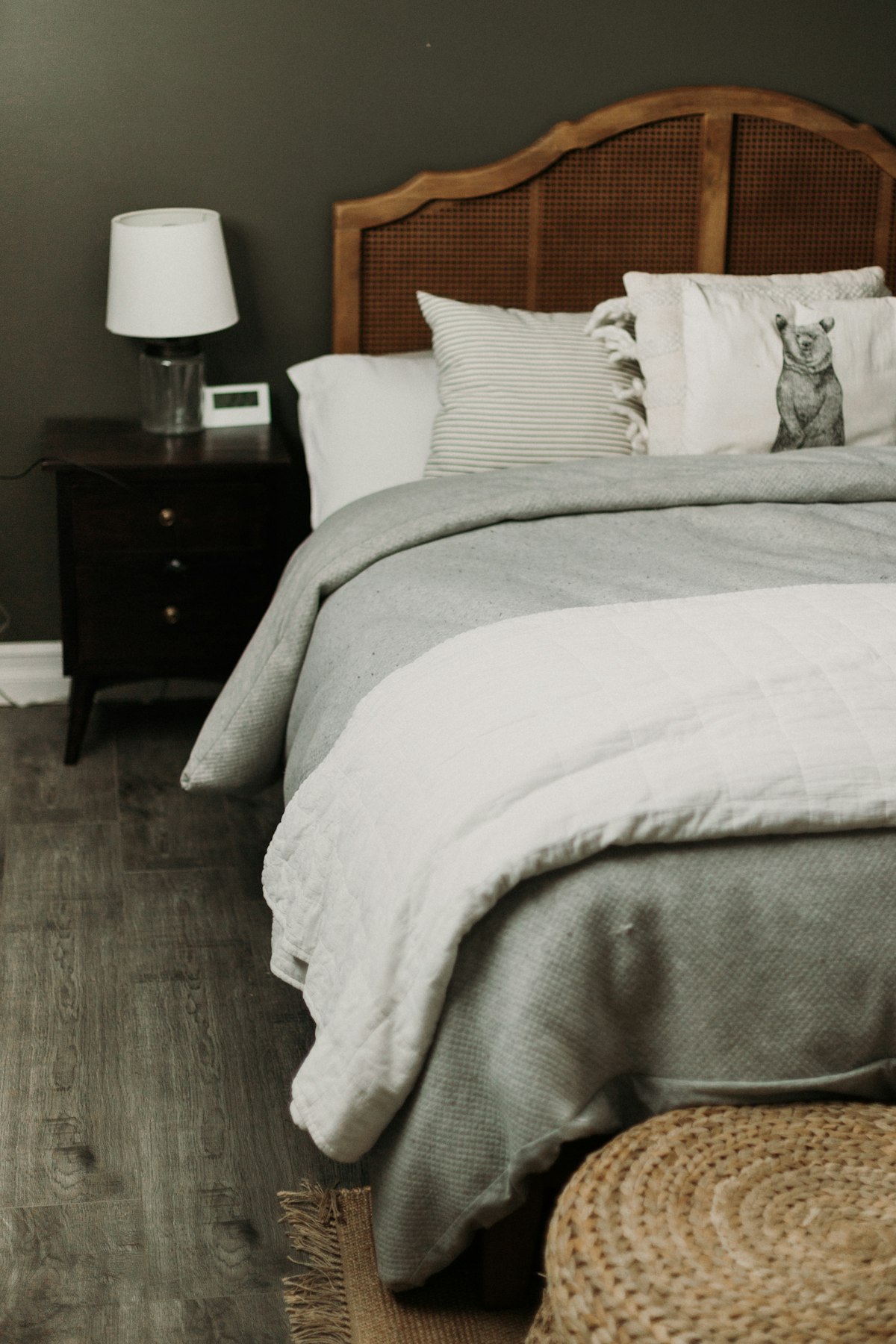
The first cold night of October always tells the truth about your bedding. The summer sheet that felt perfect in August is suddenly not enough, so you add a random blanket, then wake up at 3 a.m. either freezing or tangled in a sweaty knot. Most beds fail not because any single piece is bad, but because the pieces were never chosen to work as a system.
Layering is the fix. A properly layered bed works like good clothing: a breathable base that manages moisture, a middle that adds adjustable warmth, and a top layer that does the heavy insulating. Get the system right and the same bed handles a warm September night and a January cold snap — you just add or peel layers instead of owning three separate bedding sets.
This guide breaks down each layer, the materials that behave best in each role, and how to adjust the stack as the seasons turn.
The short version
Build your bed in three layers. Layer one is the sheet set against your skin — cotton percale for hot sleepers, sateen or flannel for cold ones. Layer two is a light, breathable blanket or quilt you can add or remove in seconds. Layer three is your main warmth: a duvet insert matched to your climate, which you can read more about in our duvet inserts guide. Choose natural, breathable fabrics for at least two of the three layers and you will sleep comfortably through a much wider temperature range than any single "all-season" product can manage alone.
What to look for
- Breathability in the base layer: Cotton percale (a plain, matte weave) and linen let heat and moisture escape. Sateen is smoother and slightly warmer. Microfiber traps heat — fine for cold sleepers, miserable for hot ones.
- A genuine middle layer: A cotton waffle blanket, a lightweight quilt, or a thin wool blanket. It should be easy to wash and light enough (roughly 1–3 lbs for a queen) that adding it changes warmth without adding bulk.
- Duvet weight matched to climate: Lightweight/summer inserts for warm climates and hot sleepers; all-season for most homes; extra-warm for cold bedrooms below about 60°F. Swap or store the insert rather than buying a whole second set.
- Sizes that actually tuck: Look for fitted sheets with pocket depth 2 inches greater than your mattress height (including any topper), and flat sheets/duvet covers wide enough for an 8–12 inch drop on each side.
- Washability: Sheets weekly, blankets monthly, duvet covers weekly to fortnightly. If a layer cannot survive your laundry routine, it will quietly leave the rotation.
- Corner ties and loops: Duvet covers with internal ties and inserts with corner loops stop the nightly bunching that ruins an otherwise good setup.
The three layers, in detail
Layer 1 — sheets. This is temperature regulation, not decoration. Percale's crisp one-over-one-under weave breathes best and suits warm sleepers and summer. Sateen's denser weave feels silky and holds a little more warmth for shoulder seasons. Flannel (brushed cotton, measured in GSM like towels) is a winter base layer. Linen is the year-round overachiever — it feels cool in summer, insulating in winter, and gets softer for years, though it wrinkles and costs more upfront.
Layer 2 — the adjustable blanket. This is the layer you will touch every night. A cotton waffle-weave blanket adds warmth with airflow, works alone over a sheet in summer, and layers invisibly under a duvet in winter. A lightweight quilt does the same job with more visual structure. Wool blankets regulate superbly but can be warm for summer solo use.
Layer 3 — duvet and insert. Your primary insulation. Down gives the best warmth-to-weight; down-alternative (polyester cluster fill) costs less, washes easier, and suits allergy-sensitive households. The insert lives inside a washable cover, which means the layer you touch most is the easiest to clean.
Luxe Core Sheet Set
A long-staple cotton sateen sheet set that works as the warm-leaning base layer in a layered bed, with labeled long/short sides that make bed-making faster.
- Long-staple cotton in a smooth sateen weave
- Long/short side labels on fitted and flat sheets
- Deep-pocket fitted options for taller mattresses
- + Silky feel suits shoulder seasons and cold sleepers
- + Holds up well to frequent washing per owner feedback
- + Wide color range that coordinates across layers
- – Sateen sleeps warmer than percale — hot sleepers should choose the brand's percale version
- – Premium price for a base layer
Cotton Waffle Blanket
A lightweight cotton waffle-weave blanket built for the adjustable middle layer — breathable enough for summer solo use, easy to add under a duvet in winter.
- Waffle weave traps warmth while allowing airflow
- 100% cotton construction, prewashed for softness
- Machine washable and quick to dry
- + Genuinely versatile across all four seasons
- + Light enough to fold at the foot of the bed
- + Inexpensive enough to own per bed
- – Open weave can snag on rings and pet claws
- – Too light to serve as a sole winter blanket
Down Comforter, Lightweight
A lightweight down top layer for warm climates and hot sleepers, with corner loops that anchor it inside a cover as the finish to a layered setup.
- Down fill in a lightweight warmth class
- Corner loops for duvet-cover ties
- Cotton shell with baffle construction
- + Adds real insulation without much weight
- + Works over just a sheet in warm months
- + Even fill distribution per owner reports
- – Down requires gentler, less frequent washing
- – Warm sleepers in hot climates may still prefer no top layer
A layer for every season
| Season | Sheet | Middle layer | Top layer |
|---|---|---|---|
| Spring | Percale or linen | Cotton blanket, folded at the foot | Lightweight duvet |
| Summer | Percale or linen | Cotton blanket alone | None, or duvet cover only |
| Autumn | Sateen or percale | Cotton blanket or light quilt | All-season duvet |
| Winter | Flannel or sateen | Blanket or quilt, fully spread | All-season or extra-warm duvet |
The foot-of-the-bed trick matters more than it sounds: in spring and autumn, keep the blanket folded across the bottom third of the bed. Most people get cold feet-first, and a folded layer warms exactly that zone without overheating your core.
Care that keeps layers working
Wash sheets in warm water and dry completely — damp-stored cotton develops odor that no layering fixes. Wash blankets separately from towels (lint transfer) and avoid fabric softener on cotton bedding; softener coats fibers and reduces the absorbency and breathability you bought them for. Air duvet inserts outdoors or tumble with dryer balls for 20 minutes monthly to restore loft; a flattened insert insulates noticeably worse regardless of its original rating.
Keep one spare sheet set per bed. The layering system only works if laundry day never leaves you sleeping on the mattress protector.
FAQ
How many layers is too many?
Three functional layers (sheet, blanket, duvet) plus an optional decorative throw is the practical maximum. Beyond that, beds become hard to make, heat gets trapped instead of regulated, and laundry multiplies. If you are cold with three proper layers, the answer is a warmer insert or warmer sleepwear, not a fourth blanket.
What if my partner runs hotter than I do?
Split the middle layer: use a twin-size blanket on the colder sleeper's side only, or choose a duvet in the lighter weight and let the cold partner add their own throw. Some couples use two separate twin duvets inside one king cover's footprint — a common Scandinavian approach that genuinely works.
Is linen worth the price for the base layer?
Based on published fabric properties and long-term owner feedback, linen outlasts cotton several times over and regulates temperature in both directions, so cost-per-year is often lower than mid-range cotton. The trade-offs are real — wrinkles, a textured feel some people dislike, and higher upfront cost — so try linen pillowcases first before committing to a full set.
Should the duvet cover match the sheet material?
It helps. A breathable insert inside a heat-trapping microfiber cover performs like a microfiber system. Match cover to season: percale or linen covers in warm months, sateen in cold ones. Cotton covers are the safe default and wash easily.