How to Choose a Rug That Survives High-Traffic Life
Wet boots, soccer cleats, and a dog who treats the hallway like a racetrack — how to pick pile, fiber, and pattern that still look decent in year three.
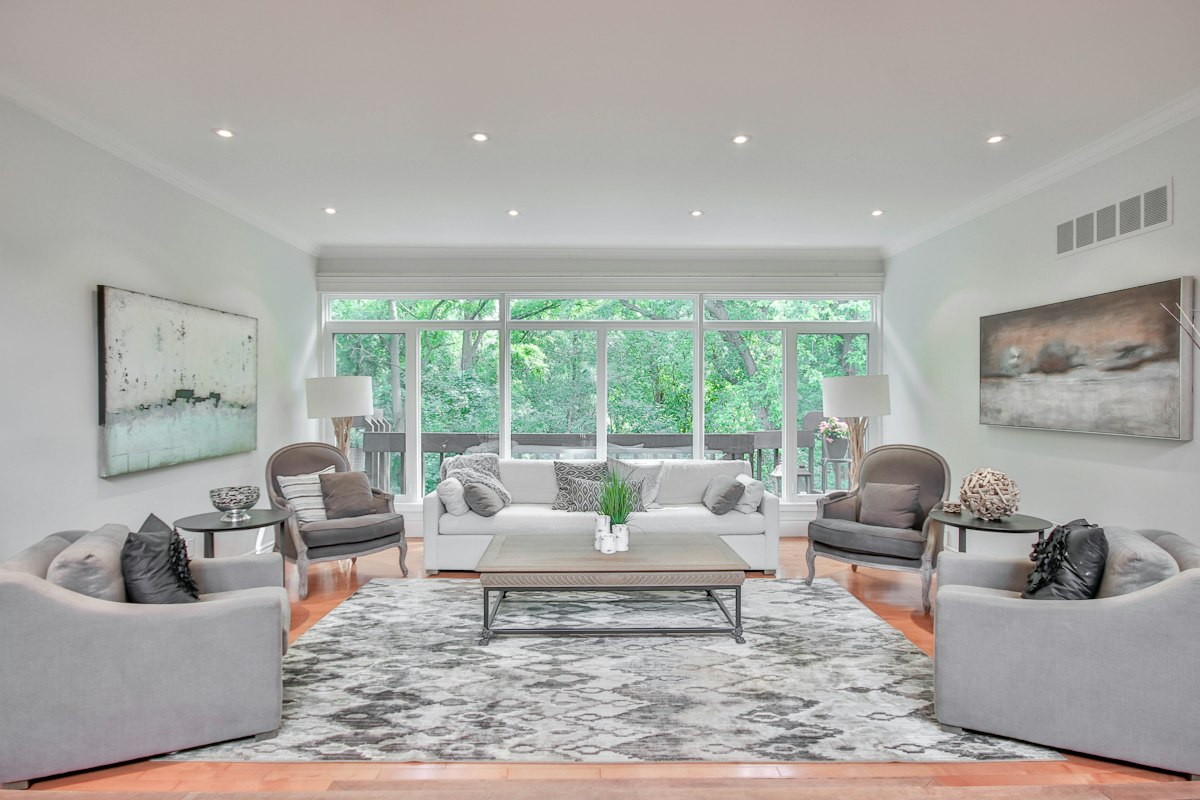
The entryway rug in a house with kids and a dog lives a harder life than any carpet in a showroom ever will. It takes wet boots in March, sandbox grit in June, soccer cleats in September, and the daily confetti of crumbs, paw prints, and whatever fell out of a backpack. Within a year, a pretty-but-delicate rug looks tired in a way no amount of vacuuming fixes.
High-traffic rugs fail in specific, predictable ways: pile that crushes flat in the walkway, fibers that hold onto dirt, backings that creep, and colors that show every story the floor has to tell. Choosing well is less about style first and more about matching fiber, pile height, and construction to the abuse your household actually delivers.
Here's how to pick a rug that still looks decent in year three — whether it's anchoring a hallway, a living room with a racetrack through it, or the patch of floor in front of the kitchen sink.
The short version
For genuinely busy floors, choose a low pile (under half an inch), a synthetic fiber like polypropylene or polyester — or a machine-washable rug if your traffic includes mud and pet accidents — and a busy, medium-toned pattern that camouflages dirt between cleanings. Natural fibers like wool are durable but cost more and clean less easily; jute and flat cotton look great and give up fast in entryways. When in doubt, buy the washable one. Cleanability beats almost every other spec in a high-traffic zone.
What to look for
- Pile height under 0.5 inches. Low pile doesn't trap grit at the base, vacuums clean in one pass, and lets doors swing over it. Plush pile in a walkway mats down into a visible path.
- Fiber that shrugs off stains. Polypropylene is the workhorse: solution-dyed, water-resistant, and unbothered by most spills. Polyester is close behind with richer color. Wool is naturally resilient and long-lived but needs gentler cleaning and a bigger budget.
- Pattern with movement. Mottled vintage-look designs, heathered tones, and small-scale patterns hide crumbs, pet hair, and fading. Solid pale rugs in traffic lanes are a commitment, not a purchase.
- A rug pad. Non-negotiable in traffic zones. A pad stops creeping, adds cushion, protects the floor beneath, and meaningfully extends the rug's life by reducing friction wear.
- Size that covers the actual path. Traffic follows routes, not room outlines. In a living room, that means front legs of seating on the rug; in a hallway, a runner that spans door to door. Our small living room layout guide covers the sizing math in detail.
Kamran Washable Rug
The two-piece washable system: a nonslip pad plus a vintage-look top layer you can peel off and machine-wash after mud season, juice spills, or a pet's bad evening.
- Machine-washable top layer
- Water-resistant, stain-resistant surface
- Nonslip pad included
- + Resets completely after big messes
- + Vintage pattern hides everyday dirt
- – Thinner feel than a padded traditional rug
- – Large sizes need a large-capacity washer
Layla Olive/Charcoal Rug
The widely loved printed vintage-look rug: a low synthetic pile with a worn-in pattern that camouflages crumbs and pet hair between cleanings, at an unusually low price per square foot.
- Low pile vacuums in one pass
- Printed vintage pattern hides dirt
- Power-loomed polyester/polypropylene blend
- + Exceptional value for large sizes
- + Soft underfoot for a printed rug
- – Printed, not woven — less texture and depth
- – Needs a rug pad to stay put
Adirondack Collection Rug
A traditional low-pile polypropylene rug line in distressed traditional patterns — the durable, no-drama choice for hallways and living rooms where the mess is footfall rather than disasters.
- Stain-resistant polypropylene pile
- Low 0.25-0.5 in. pile height
- Wide range of sizes and runners
- + Feels more substantial than washable rugs
- + Spot-cleans easily
- – Not machine-washable
- – Jute backing needs a pad on hard floors
Washable vs. traditional: the honest trade-off
Machine-washable rugs — popularized by Ruggable's two-layer system of a nonslip pad plus a washable top — solve the single biggest high-traffic headache: the disaster spill. Mud season, a toppled glass of juice, a pet's bad evening — you peel the top layer and wash it. Based on published specifications and owner feedback, the trade-offs are consistent: washable rugs feel thinner underfoot than a quality padded traditional rug, large sizes (8×10 and up) need a large-capacity washer, and edges can curl if the top layer isn't aligned carefully on the pad.
Traditional synthetic rugs from lines like Safavieh's Adirondack collection cost less per square foot, feel more substantial, and handle routine dirt with vacuuming and spot cleaning. They lose when the mess is big and liquid. A sensible household often mixes both: washable at the entry and under the dining table, traditional in the living room's main zone.
A quick word on vintage-look printed rugs like the Loloi II Layla: these are printed designs on a low synthetic pile, so they deliver the worn-in pattern that hides dirt beautifully at a low price. The printed surface has less texture and depth than a woven rug, which bothers some people and delights everyone who has watched a toddler drag a meatball across one and lived to tell about it.
Care that keeps a traffic rug alive
- Vacuum the path more than the room. Two quick passes over the traffic lane twice a week beats one heroic session monthly. Grit left in the pile is what grinds fibers down.
- Rotate 180 degrees every six months so the wear path and sun exposure even out.
- Blot, never scrub, spills — scrubbing pushes liquid deeper and frays the pile. Work from the outside of the stain inward.
- Shake small rugs outside weekly. It removes a surprising amount of the grit vacuums miss, especially from flatweaves and washables between washes.
FAQ
What rug material is most durable for high traffic?
Polypropylene offers the best durability-per-dollar for traffic: it resists stains, moisture, and crushing, and cleans easily. Wool lasts longest overall and resists matting better than any synthetic, but at a higher price and with more careful cleaning. For homes with pets and kids, washable polyester systems are the most forgiving choice.
Are washable rugs worth it?
If your traffic includes mud, food, or pets, yes — the ability to machine-wash resets the rug instead of slowly losing the battle. If your traffic is just footfall, a good low-pile synthetic with a pad is cheaper, feels plusher, and needs less fuss.
What size runner do I need for a hallway?
Leave 4–6 inches of bare floor on each side of the runner and a few inches at each end. A standard 2.5×8 or 2.5×10 runner suits most hallways. Doors along the hall need clearance, so keep pile low and always use a nonslip pad underneath.
How do I stop a rug from bunching in a doorway?
Use a proper rug pad cut slightly smaller than the rug, keep pile low enough for the door's swing clearance (measure the gap under the door first), and consider rug tape at the entry edge if the door drags. Bunching is usually a pad problem, not a rug problem.