Choosing a Coffee Table: Size, Shape, and Materials Compared
Too tall, too small, too sharp — coffee tables fail in predictable ways. The two-thirds rule, honest shape trade-offs, and materials matched to your mess.
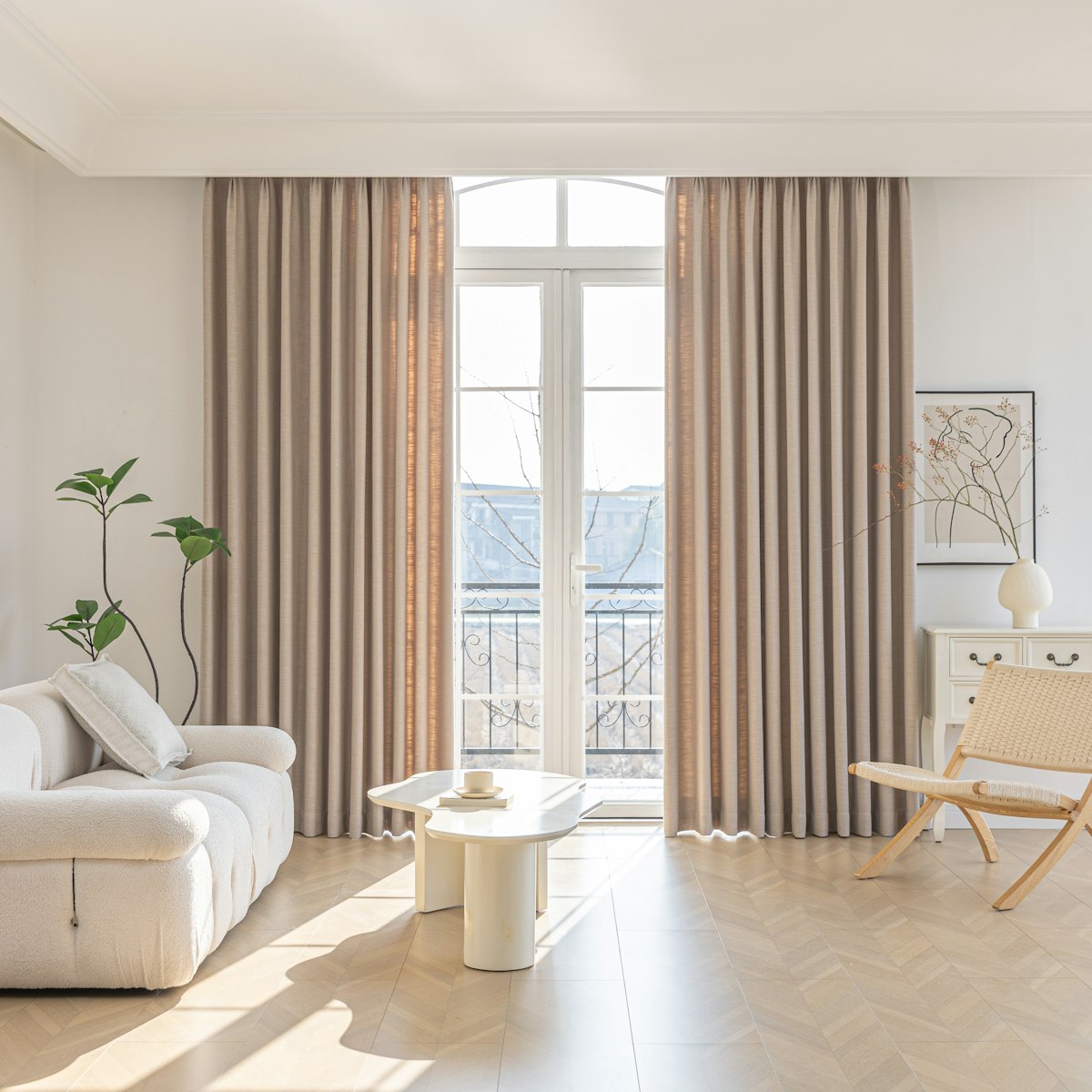
The coffee table is the hardest-working piece of furniture nobody thinks about until it's wrong. Too tall, and dinner on the sofa becomes a hunching exercise. Too small, and two mugs plus a book turn it into a competitive sport. Too sharp, and every toddler visit becomes a corner-padding emergency.
Because it sits in the center of the room, the coffee table also punches above its weight visually — its shape and material quietly decide whether the seating area feels calm and gathered or awkward and scattered. And because everyone uses it as a footrest, desk, dining table, and game board, "what looks good in the photo" is only about half the brief.
Here's the sizing math, the shape logic, and the material trade-offs, so the table you choose fits your room and your actual habits.
The short version
Start with three numbers: your table should be about two-thirds the length of your sofa, 1–2 inches lower than the sofa seat height (or level with it), and leave 14–18 inches between its edge and the seating around it. Then choose shape by room geometry — rectangular for most sofas, round for tight walkways and square rooms, oval as the compromise — and material by your mess profile: wood forgives, glass shows everything but disappears visually, and stone looks superb until the first ring stain.
What to look for
- Length ≈ two-thirds of the sofa. People at both ends should reach the table without leaning off the cushion.
- Height level with or just below the seat. Sofa seats typically run 17–19 inches; tables at 16–18 inches keep mugs and feet at a natural angle.
- 14–18 inches of clearance between table edge and sofa or chairs. Less traps shins; more strands your drink.
- A lower shelf or drawer if your living room accumulates remotes, chargers, and magazines — surface clutter has to live somewhere.
- Weight you can move. You will move it for cleaning, yoga, and dance parties. If one person can't slide it, reconsider.
- Edges matched to occupants. Toddlers, elderly parents, and clumsy adults all vote for rounded corners.
Mid-Century Coffee Table
Kiln-dried wood with tapered, angled legs in the classic mid-century profile — a warm, forgiving centerpiece that suits most sofas and hides daily wear gracefully.
- Solid and veneer wood construction
- Tapered legs keep it visually light
- Multiple finishes and sizes
- + Ages well with daily use
- + Proportions suit most living rooms
- – Premium price for the category
- – Veneer needs coasters for hot items
LACK Coffee Table
The famously inexpensive table with a lower shelf for remotes and magazines. Light enough to move one-handed, cheap enough to never worry about — a first-apartment institution.
- Lower shelf for storage
- Featherweight and easy to move
- Wipes clean in seconds
- + Costs less than most table lamps
- + Perfect size for small sofas
- – Hollow-core feel; dents if abused
- – Not a forever piece
VITTSJÖ Coffee Table
Glass top with a black-brown steel frame and a reversible lower shelf — visually light like glass, but with storage, and a good middle path for small rooms.
- Tempered glass top
- Lower shelf panel reversible (black or black-brown)
- Slim steel frame keeps sightlines open
- + Makes small rooms feel bigger
- + Shelf adds real storage
- – Glass shows dust and fingerprints
- – Shelf panel is lightweight
Shapes, honestly compared
| Shape | Best for | Watch out for |
|---|---|---|
| Rectangular | Long sofas, narrow rooms, TV-focused layouts | Corners in tight walkways |
| Round | Square rooms, sectionals, high-traffic paths, kids | Less usable surface; needs a bigger footprint for the same storage |
| Oval | Long rooms where corners are a problem | Harder to find; trays sit awkwardly |
| Square | Sectionals and paired chairs in a boxy arrangement | Dominates small rooms quickly |
| Nesting set | Small spaces, flexible hosting | Not a real dining or laptop surface |
Round tables deserve a special note for homes with a walkway through the seating area: no corners means no hip checks, and traffic flows around them naturally. They're also the safest default around small children. The trade is real, though — a 36-inch round table offers less practical surface than a 40×20 rectangle.
If your room is small, our small living room layout guide shows how table size interacts with sofa depth and rug sizing, because all three decisions lean on each other.
Materials: looks vs. living
Wood is the forgiving default. Solid wood and good veneer handle heat, dings, and daily clutter with the most grace, and mid-century-style tapered-leg designs (like our West Elm pick) suit most rooms. Dark wood shows dust; pale wood shows pen marks. Choose your fighter.
Glass makes small rooms feel bigger because sightlines pass through it, and it never clashes with wood tones. In exchange you get fingerprints, visible dust on two levels, and a surface that announces every set-down mug. Households with kids often describe glass tables in the past tense.
Stone and marble-look tables are heavy, cool, and genuinely beautiful as a room's anchor. Real marble etches with lemon and wine; sealed stone and quality faux-marble composites reduce the risk but not the weight. Assume two people and a plan for every move.
Metal and mixed media (like the IKEA VITTSJÖ's glass-and-steel frame) land between glass and wood: light visually, sturdier underfoot, and easy to wipe down.
Quick test before buying: put painter's tape on the floor at the table's exact dimensions and live with it for two days. Walk around it, sit, stand, set down a mug. Tape is returnable; furniture often isn't.
FAQ
How far should a coffee table be from the sofa?
14–18 inches from the sofa edge. That gap lets legs stretch and people slide in sideways while keeping drinks within easy reach. If your household is tall, aim for the upper end.
Is a round or rectangular coffee table better for a sectional?
Round or square usually works best with L-shaped sectionals, because a rectangle fights the corner geometry. A round table centered on the L's inside corner gives everyone equal reach. Large sectionals can take a square table if the room allows 14–18 inches of clearance on the open sides.
What coffee table height is standard?
Most coffee tables are 16–18 inches high, designed to sit level with or 1–2 inches below a typical sofa seat (17–19 inches). If you regularly eat or work at the table, choose the taller end or a lift-top design.
Can a coffee table be too big for the room?
Yes — if clearance drops below 12 inches anywhere, or the table extends past the sofa's arms, it will feel like an obstacle rather than a centerpiece. When choosing between two sizes in a small room, pick the smaller and add a side table instead.