A Small Closet System That Doubles What Fits
One rod and a prayer is not a closet system. How double-hang zones, shelf columns, and honest measuring can double what a small closet actually holds.
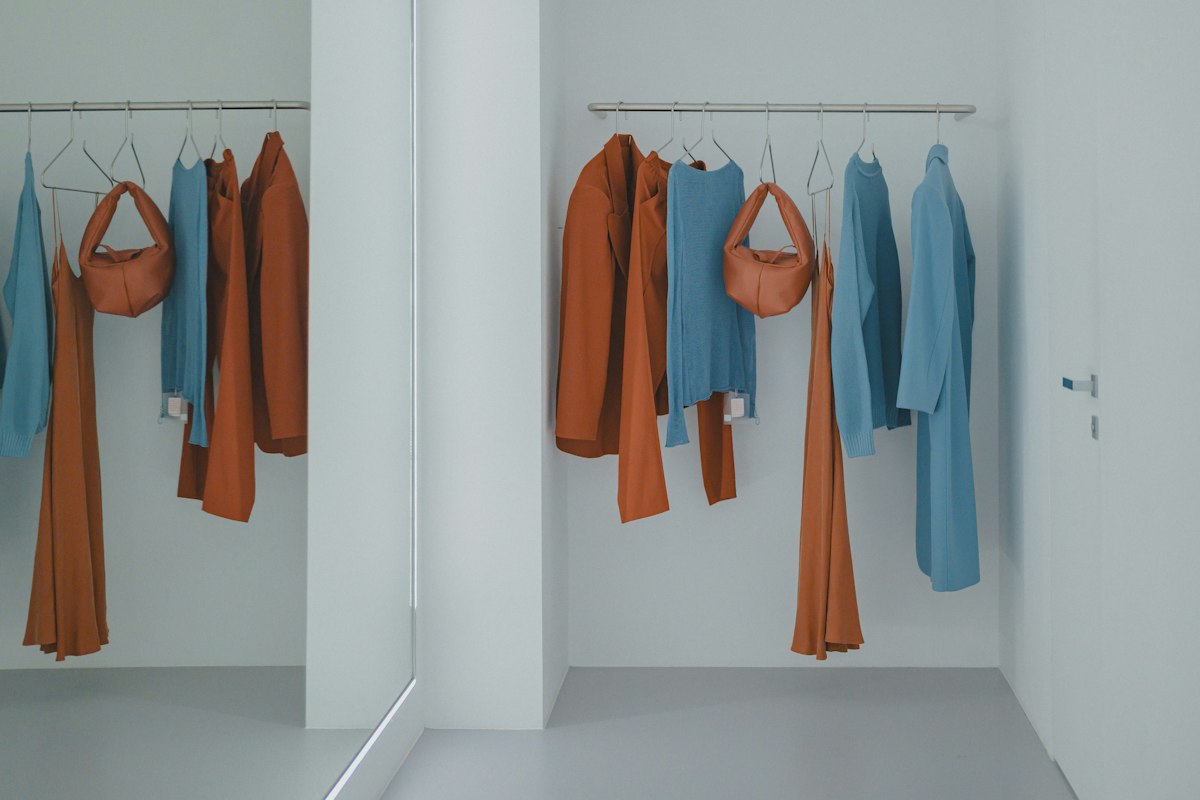
Every small closet has the same morning ritual: you slide three shirts aside, a shoe drops off a teetering pile, and the sweater you actually want turns out to be wedged behind a box of things you forgot you owned. The closet is not too small for your life — it is just wasting most of its volume. In a typical reach-in closet, the single hanging rod and one high shelf use barely half the available space. The rest is dead air above the shoes and a dark cave at the bottom.
A closet system fixes this by treating the closet as three zones instead of one rod: double-hang space for shirts and pants, a column of shelves or drawers for folded things, and deliberate floor storage for shoes. Done well, based on the published dimensions of the major kit systems, most owners report fitting roughly twice the clothing in the same footprint — not by cramming, but by using the vertical space that a lone rod ignores.
The short version
If your closet is a standard reach-in (about 4–6 feet wide, 24 inches deep), a configurable rail-and-bracket kit is the most flexible fix: it reuses your wall space, adjusts when your wardrobe changes, and installs with a level, a drill, and an afternoon. Add fabric boxes for the top shelf and a hanging organizer for small items, and you have a complete system. Measure the closet's width, depth, and ceiling height before you buy anything — kits are sold by width range, and a kit rated for 4–8 feet behaves very differently at the edges of that range.
What to look for
- True interior dimensions. Measure wall to wall inside the closet, door frame to back wall, and note baseboards, angled ceilings, and where the door swings. A 24-inch-deep closet fits standard 14–16-inch-deep shelving with room for hangers; shallower closets need narrower shelves.
- Adjustability. Look for vertical standards (uprights) with slots every inch or so, so shelves and rods can move as your storage changes. Fixed one-piece units are cheaper but lock you into one layout.
- Weight ratings per shelf. Published load capacities matter: a shelf of folded jeans can weigh 25–35 pounds. Check the per-shelf and per-rod ratings in the product specs, not the marketing headline.
- Double-hang vs. long-hang balance. Most wardrobes are 80% short items. A good layout gives you two stacked rods on one side and a single tall section for dresses and coats on the other.
- A plan for the floor. Shoes, gym bags, and laundry need a defined home or they colonize everything. Low shelves or a shoe rack zone keeps the floor from becoming a pile.
- Materials you can wipe down. Melamine, coated wire, and fabric bins all work; unfinished particleboard edges swell in humid closets.
Rubbermaid Configurations Deluxe Custom Closet Kit
A rail-and-upright kit that turns a single-rod reach-in closet into adjustable double-hang space plus shelving. The benchmark configurable system for renters-turned-owners and anyone whose wardrobe changes with the seasons.
- Adjustable shelves and expandable hanging rods on wall-mounted uprights
- Sold in width ranges (including 3–6 ft and 4–8 ft kits) to fit standard reach-in closets
- Expandable telescoping rods for double-hang layouts
- + Layout can be rearranged as your wardrobe changes, with no new hardware
- + Widely available add-on shelves, drawers, and shoe racks
- + Sturdy steel uprights with published load ratings
- – Installation takes a few hours and requires drilling into studs
- – Extra shelves and accessories are sold separately
IKEA SKUBB Box with Compartments
A fabric box with internal dividers sized for closet shelves, ideal for the top shelf where loose small items usually dissolve into a pile.
- Divided compartments keep small clothing items separated
- Folds flat when not in use
- Handles on both ends for pulling down from high shelves
- + Makes the wasted top shelf usable for socks, belts, and accessories
- + Lightweight even when full, so it is safe to lift down
- + Very low cost per box
- – Soft sides do not stack well when fully loaded
- – Compartment layout is fixed and suits smaller items best
SimpleHouseware 6-Shelf Hanging Closet Organizer
A hanging fabric shelf column that converts a foot of rod space into six cubbies of folded storage, no tools required.
- Hangs from any standard closet rod with hooks or a bar mount
- Six open shelves sized for folded sweaters, tees, and bags
- Side mesh pockets for small accessories
- + Zero installation — up in a minute, ideal for rentals
- + Adds a folded-storage column without giving up floor space
- + Folds away completely when not needed
- – Uses about a foot of hanging rod space
- – Shelves can bow under very heavy loads like stacked jeans
Laying out the three zones
Start by emptying the closet completely and grouping what you own into piles: short hanging, long hanging, folded, shoes, and rarely used. Count linear inches of hanging clothes with a tape measure — hang everything tightly together and measure the rod space it actually occupies. Most people are surprised: their short-hang pile needs about 40 inches of rod, which means a 5-foot closet can double-hang one side and still keep a long-hang section.
Put the double-hang section where you stand most often. Shelves go in the least accessible corner, because folded items tolerate reaching. The top shelf, anything above eye level, is for the least-used things: out-of-season clothes in labeled boxes, not everyday sweaters. If you are storing bulky guest bedding, that same top-shelf logic applies in the linen closet too — high and labeled beats low and jumbled.
Leave 2 inches of clearance between the top of your hanging clothes and the shelf above them. It sounds trivial, but that gap is the difference between hangers sliding freely and every morning starting with a tug-of-war.
Mistakes that shrink a small closet
The most common error is buying the system before measuring, then discovering the kit's width range assumes a closet 3 inches wider than yours. The second is installing a beautiful layout for the wardrobe you wish you had. If you own twelve pairs of shoes and four dresses, a system with a huge long-hang section and a token shoe shelf will fail you by Friday.
Overfilling is the quiet one. Systems make it easy to add "just one more shelf," but a closet packed past about 85% capacity stops being a system and becomes storage Tetris. If everything does not fit with breathing room, the fix is a honest edit — or moving overflow to under-bed storage — not another bin.
Tip: Photograph your closet contents laid out by category before you install anything. The photo is your layout plan and, a month later, your proof of what the piles are supposed to look like.
FAQ
How much does a small closet system cost compared to a custom install?
Pre-made configurable kits are the budget end of the market and cost a fraction of a carpenter-built or design-service closet, because you are paying for standardized parts and your own installation time. Prices vary by width and material, so compare kits by what is included in the box — extra shelves and rods are often sold separately and change the real total.
Can I install a closet system in a rental?
Often, yes, with the landlord's permission. Rail systems mount with screws into studs, so expect to patch small holes when you leave. If drilling is off the table, tension-rod double-hang bars and freestanding shelf towers get you most of the benefit with no holes at all.
What if my closet has an angled ceiling or an odd shape?
Measure the shortest wall height and design for that; kits with cut-to-fit rods and trim-to-width shelves handle sloped or narrow closets better than fixed-width towers. For truly irregular spaces, two smaller towers plus one rod often beat a single wide kit.
How do I keep the system from sliding back into chaos?
Give every category a labeled home and keep one small "in transit" spot for returns and donations. A ten-minute reset once a month — refold the shelf stacks, rehang strays — maintains the system far better than a yearly purge.