Rug Pads Explained: Grip, Cushion, and Floor Protection
The invisible layer under your rug does three jobs — and the wrong pad can damage hardwood. Materials, thickness math, and the right pad for every room.
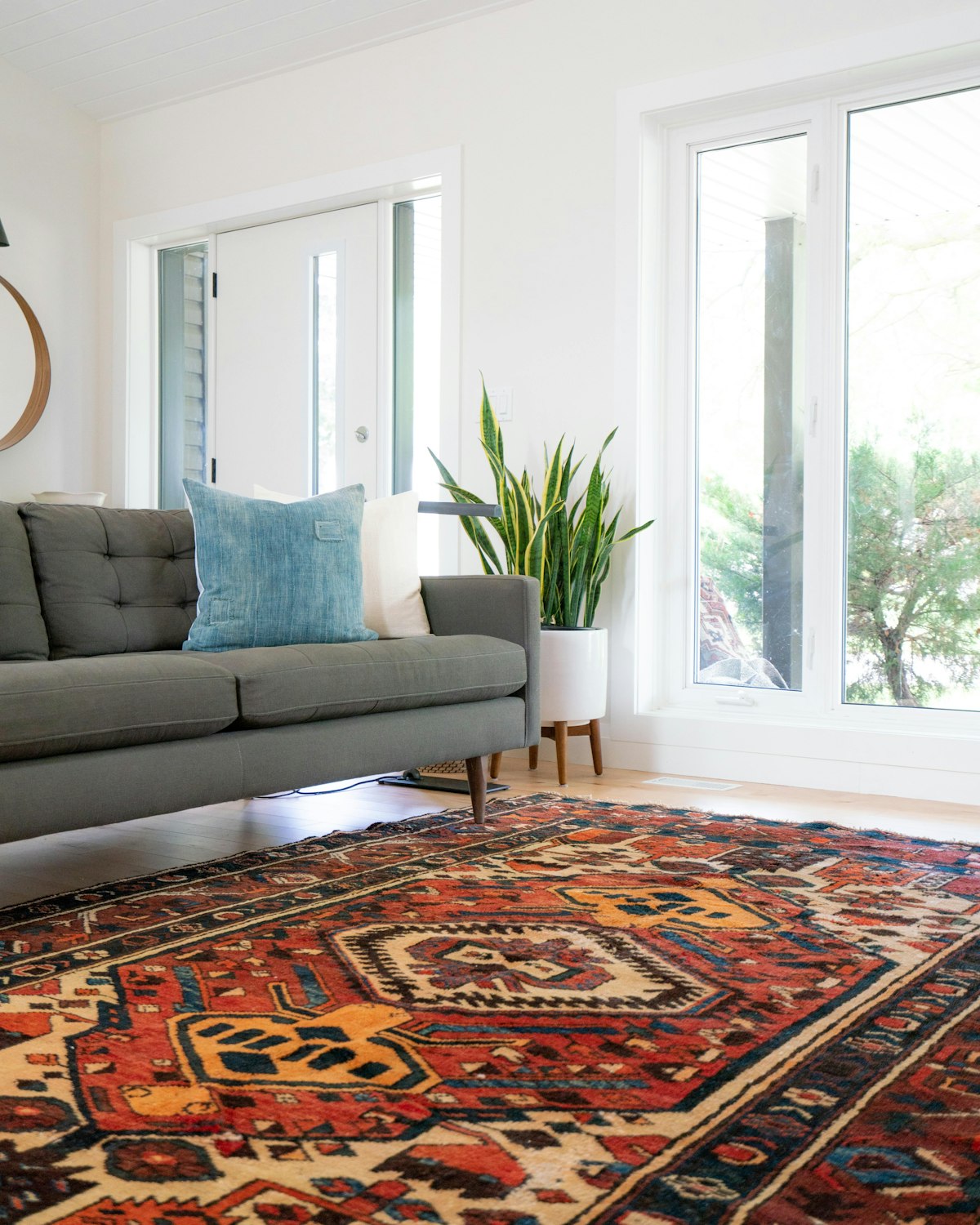
The rug pad is the only home purchase whose entire job is to be invisible. Nobody compliments one. Yet a missing or wrong pad explains a whole family of household annoyances: the runner that migrates two inches a day toward the kitchen, the living-room rug that feels like cardboard over hardwood, the mysterious pale rectangle left on the floor when you finally move a rug after five years.
Pads do three distinct jobs — grip, cushion, and floor protection — and different pad constructions do them in different proportions. The thin waffle gripper from the hardware store and the half-inch felt pad are barely the same product. Choosing well means knowing which of the three jobs your room actually needs.
This guide explains the materials, the thickness math, and the floor types where the wrong pad does real damage.
The short version
For most area rugs on hard floors, a felt-and-rubber hybrid pad around 1/4 inch thick is the best all-rounder: felt provides cushion and protection, a natural-rubber backing provides grip without the floor-damage risks of cheap PVC. For thin runners and door-area rugs where door clearance is tight, use a low-profile grip pad under 1/8 inch. For rugs on carpet, you need a different product entirely — a carpet-to-carpet pad with adhesive-like grip on both faces; hard-floor pads will creep within days. Always cut the pad 1–2 inches smaller than the rug on every side so it stays hidden and the rug edge lies flat.
What to look for
- Material: Natural rubber grips best and is safest under most finishes. Felt (recycled or virgin) cushions and protects but has zero grip alone. PVC/vinyl pads are cheapest and grip aggressively — but plasticizers in low-quality PVC can react with hardwood finishes, a well-documented cause of sticky residue and discoloration.
- Thickness: 1/8 inch for door clearance and thin rugs; 1/4 inch is the comfort standard; 3/8–1/2 inch felt for maximum cushion under large rugs in low-traffic rooms. Thicker pads under small rugs create a trip-lip — match pad bulk to rug size.
- Density (for felt): Firmer felt (often described around 30–40 lbs density in this category) protects floors and resists compression longer than soft, lofty felt that flattens in traffic lanes within a year.
- Size and trimming: Buy the pad slightly larger and trim with sharp scissors, or order pre-cut. Final pad should sit 1–2 inches inside the rug perimeter.
- Floor compatibility: Check your floor finish. Some polyurethane and acrylic finishes react with certain rubber compounds too; reputable pad makers publish floor-type guidance. When in doubt, felt-side-down hybrid pads minimize contact chemistry.
- Off-gassing: New rubber and PVC pads can smell for days. Air a new pad in a garage or balcony for 24–48 hours before installing it under a rug you will live on.
Choosing by situation
The migrating runner (hallway, kitchen): The job is 90% grip. A thin natural-rubber or hybrid grip pad transforms it. If the runner still creeps, the rug itself may be too light and stiff — add the pad first, it solves the great majority of cases owners report.
The "why does this rug feel cheap" living room: The job is cushion. A 1/4–3/8 inch felt or hybrid pad under a flatweave rug makes it feel twice its price, reduces noise to the floor below, and extends rug life by absorbing the abrasion that otherwise happens between rug backing and floor. This is the single most cost-effective upgrade in floor textiles — the same "invisible layer does the work" principle as the pad's cousins elsewhere in the house, like the middle blanket layer in our bedding layers guide.
The heirloom or thin vintage rug: The job is protection. Dense felt, at least 1/4 inch, no aggressive grip compounds against the floor. Thin rugs telegraph every floorboard imperfection and wear at pressure points; a dense pad distributes that load.
Rug over wall-to-wall carpet: Skip everything above. You need a carpet-on-carpet pad (often a stiff, sticky-faced mesh) designed to lock two textiles together. Even then, lightweight rugs on plush carpet will wander somewhat — heavier rugs behave better.
Basics Felt + Rubber Rug Pad, 1/4 Inch
A felt and natural-rubber hybrid pad that balances all three pad jobs — grip, cushion, and floor protection — for most rugs on hard floors.
- Recycled felt cushion layer
- Natural rubber backing for grip
- 1/4 inch profile suits most doors
- + Natural rubber avoids PVC plasticizer risks
- + Adds noticeable comfort under flatweave rugs
- + Cut-to-size options for exact fits
- – Costs more than basic gripper pads
- – Felt side can hold moisture if a spill soaks through
Original Area Rug Pad Gripper
A low-profile open-weave grip pad for runners and door-area rugs where clearance is tight and the only job that matters is stopping the slide.
- Ultra-low profile under 1/8 inch
- Open grid design trims easily with scissors
- Dual-sided grip for rug and floor
- + Stops runner migration immediately
- + Fits under doors that clear almost nothing
- + Inexpensive for problem spots
- – Adds no cushion whatsoever
- – PVC-class material — check floor finish compatibility before use
Dual Surface Felt Rug Pad, 3/8 Inch
A thick dual-surface felt pad for large living-room rugs, with a latex side for hard floors and a felt side that keeps rugs settled on carpet.
- 3/8 inch felt cushion
- Dual-surface design for hard floors and carpet
- Dense felt resists compression in traffic lanes
- + Maximum cushion under big rugs
- + One pad type covers mixed flooring homes
- + Protects floors under heavy furniture
- – Thickness creates a noticeable edge step under small rugs
- – Overkill for hallways and kitchens
Installation and care
Vacuum and mop the floor, and let it dry completely, before laying the pad — grit trapped under a pad becomes sandpaper. Lay the pad grip-side down (for hybrids, rubber faces the floor, felt faces the rug), position the rug, then walk the edges down. Trim any visible pad immediately; a peeking edge never gets less noticeable.
Pads need almost no maintenance: lift and vacuum under the rug twice a year, check that the pad has not bunched or migrated, and inspect the floor contact surface annually for any stickiness or discoloration — early detection is what keeps a cheap-pad mistake from becoming a refinishing bill. Felt pads can be beaten or vacuumed; rubber grip pads can be rinsed and dried flat if they lose tack.
Replace a grip pad when it stops gripping after cleaning, and a felt pad when traffic lanes have compressed it visibly thinner than the edges. Typical service life runs 5–10 years for quality felt and rubber, far less for bargain PVC.
FAQ
Can a rug pad damage hardwood floors?
Yes — the wrong one can. Low-quality PVC pads are the documented culprit: plasticizers migrate into polyurethane finishes, leaving sticky patches and ghost outlines. Natural rubber and felt hybrids from established makers are considered safe for most finishes, but always check both the pad maker's and the floor finisher's guidance, especially on freshly refinished floors, which should cure fully (often 30+ days) before any pad goes down.
Do I need a pad under a rug with a rubber backing already?
Usually a thin one still helps. Built-in backings are thin and harden with age, and they offer no cushion. A 1/8-inch felt layer adds comfort and protects the floor from the aging backing itself. If the rug has a thick, intact latex backing and stays put, you can skip it.
What thickness keeps a door swinging freely?
Measure the gap under the door first. Rug plus pad must clear it with a small margin. Most interior doors allow a combined 3/8–1/2 inch. In tight cases use a sub-1/8-inch grip pad, or place the rug so the door swings over the rug's edge rather than its padded center.
Are rug pads worth it under large, heavy rugs?
For grip, a heavy rug mostly holds itself. For cushion and floor protection, yes — weight concentrates pressure at furniture legs and traffic lanes, exactly where a dense pad earns its cost. Large rugs are also the most expensive to replace, and pads demonstrably reduce backing abrasion.