Houseplants That Are Genuinely Hard to Kill
Still haunted by the fern you loved to death in three weeks? Pothos, snake plants, and ZZ plants forgive real homes, real schedules, and real forgetfulness.
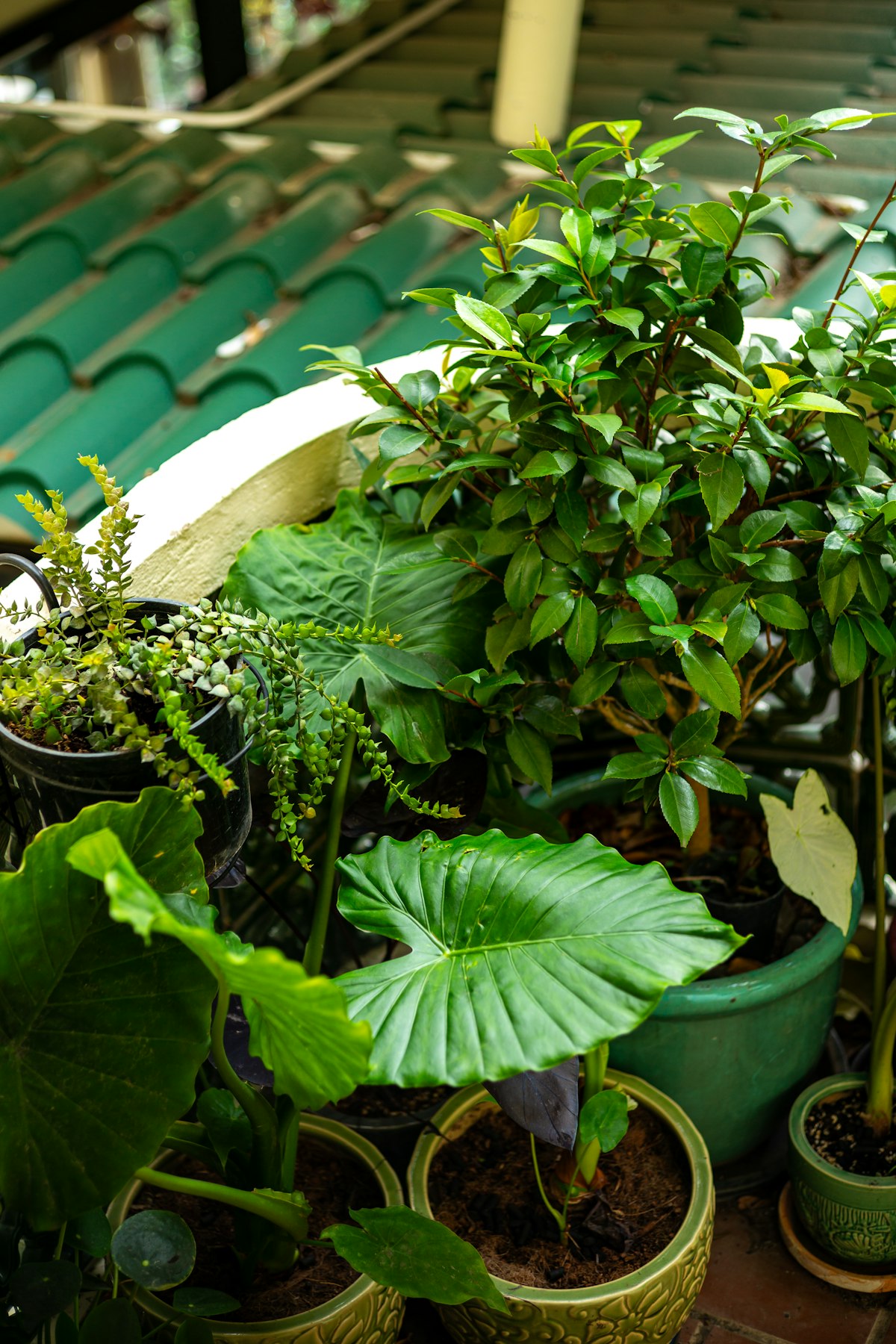
Everyone who loves houseplants has a confession, and it usually involves a fern. You brought it home feathery and magnificent; three weeks later it was a crisp brown ghost that shed on the bookshelf. The plant world markets some genuinely fussy species as "easy," and the gap between the label and the reality has ended a lot of plant-keeping careers before they started.
Here is the fairer way to judge it: some plants tolerate the actual conditions of real homes — irregular watering, average light, dry heated air in winter — and quietly keep growing anyway. They are not immortal, and "hard to kill" comes with one honest footnote: the fastest way to kill almost any houseplant is not neglect, it is overwatering. Roots sitting in soggy soil rot, and more houseplants die of kindness than of thirst.
So this guide ranks by forgiveness. These are the plants that experienced growers hand to self-declared plant-killers, along with the small amount of care each one genuinely needs.
The short version
Start with pothos if you want visible, fast encouragement — it trails, roots in water, and tells you clearly when it is thirsty. Choose a snake plant if you water rarely and have a dim corner, and a ZZ plant if you travel often and your light is mediocre. Put all three in pots with drainage holes, water only when the soil is dry well below the surface, and you have covered ninety percent of what "hard to kill" actually requires.
What to look for
- Tolerance for your light, honestly assessed — "bright indirect" is the second floor of houseplant light; a plant that survives low light still grows better with more. Match the plant to the room you have, not the room in the photo.
- A pot with drainage holes — decorative cachepots are fine as outerwear, but the inner pot must drain, and the plant must never stand in a saucer of water.
- Signs of a healthy plant at purchase — firm leaves, no mushy stem bases, no webbing or cottony patches in the leaf joints, and soil that smells like soil, not swamp.
- Growth habit that fits the space — trailing pothos wants a shelf or hanger; snake plants grow vertically and suit floors and corners; ZZ plants stay as tidy tabletop clumps.
- Forgiving watering signals — the toughest plants show thirst visibly (slight droop, leaves curling inward) and recover within hours of watering, instead of collapsing.
- Pet awareness — pothos and ZZ plants are commonly listed as toxic if chewed, so place them out of reach if your animals graze your greenery.
Golden Pothos Live Indoor Plant
A live golden pothos in a nursery pot from one of the largest US houseplant growers — the classic trailing starter plant that roots easily and grows fast.
- Trailing vines with marbled green-and-gold leaves
- Tolerates a wide range of indoor light levels
- Cuttings root readily in water for free new plants
- + Visible new growth within weeks — very encouraging
- + Signals thirst with a droop and recovers quickly
- + Suits shelves, hangers, and desks alike
- – Variegation fades in very low light
- – Listed as toxic if chewed — place out of pet reach
Snake Plant Sansevieria Live Plant
A live snake plant (Sansevieria trifasciata) with upright, sword-like leaves that store water and shrug off low light and long dry spells.
- Thick water-storing leaves for true drought tolerance
- Upright habit fits floors, corners, and narrow shelves
- Among the most low-light tolerant common houseplants
- + Thrives on a water-once-in-a-while routine
- + Architectural look that suits modern interiors
- + Very slow to outgrow its pot
- – Overwatering rots the base — its one real weakness
- – Mildly toxic if eaten, so place thoughtfully around pets
ZZ Plant Live Indoor Plant
A live ZZ plant with glossy leaflets growing from water-storing rhizomes, widely rated by growers as one of the most travel-proof houseplants sold.
- Underground rhizomes store water for weeks of neglect
- Glossy, tidy foliage that always looks groomed
- Tolerates medium and lower light without going leggy
- + The plant most likely to survive your holidays
- + Slow, tidy growth suits desks and side tables
- + Rarely bothered by common houseplant pests
- – Slow grower — buy the size you actually want
- – Listed as toxic if chewed — keep away from grazing pets
The three that forgive almost everything
Golden pothos is the classic starter plant for good reason. It grows in bright light or medium light, tolerates missed waterings by drooping theatrically and then recovering, and roots so easily in a jar of water that one plant becomes a houseful of gifts. Its trailing habit suits shelves and hanging planters, and you can trim and re-root cuttings whenever it gets leggy. If a plant could send encouraging text messages, it would be this one.
Snake plant (sansevieria) is the opposite personality: upright, architectural, and almost indifferent to you. It stores water in its thick leaves, which is why it tolerates both low light and long dry spells — and why soggy soil is its one true enemy. In a dim hallway where everything else stretches and fades, a snake plant simply carries on. Water it sparingly, especially in winter, and it will outlast furniture.
ZZ plant might be the most travel-proof houseplant commonly sold. Its glossy leaflets grow from thick rhizomes underground that store water like a canteen, so a ZZ can coast through weeks of neglect in the mediocre light of an office or north-facing room. It grows slowly — patience required — but it almost never looks scruffy while doing it.
The finger test beats any schedule. Push a finger two inches into the soil; if it comes out with soil clinging and feeling damp, wait. More houseplants are saved by one extra dry day than by any fertilizer ever sold.
Keeping the "unkillable" alive for years
The difference between surviving and thriving is mostly light. A pothos in low light lives but grows sparse and loses its golden variegation; move it a few feet toward a window and it transforms. Rotate pots a quarter turn every few weeks so growth stays even rather than leaning theatrically toward the glass.
Feeding is modest: a half-strength balanced houseplant fertilizer a few times during the spring and summer growing season is plenty, and none in winter when growth rests. Repot only when roots circle the drainage hole or the plant dries out suspiciously fast — usually every couple of years — and go just one pot size up; a small plant in a huge pot sits in wet soil it cannot use, which is the rot scenario again.
Dust is the invisible chore. Leaves in real homes accumulate a film that dulls their light absorption, and a wipe with a damp cloth every month or two keeps photosynthesis — and the plant's looks — where they should be. If keeping pots watered during busy spells is your weak point, pairing these plants with the reservoir designs in our self-watering planters guide removes most of the risk entirely.
And when an easy plant still fails, read the evidence before blaming yourself: yellow leaves plus wet soil means too much water; crispy brown edges in a heated room mean dry air or thirst; pale, stretched growth means it was quietly starving for light all along. Each of these is a fixable condition, not a character flaw — yours or the plant's. For more plants to add once your confidence grows, our balcony gardening guide covers the outdoor cousins that thrive on the same low-effort principles.
FAQ
Which of these is best for a room with almost no natural light?
The snake plant tolerates the lowest light of the three while still looking respectable, with the ZZ plant close behind. Pothos survives low light but grows slowly and leggy. Be honest about "low," though — no houseplant thrives in a windowless room; for those spaces, a small grow light on a timer changes everything.
How often should I water them, really?
When the soil is dry, not by the calendar. In typical home conditions that means every one to three weeks for pothos, and every three to six weeks for snake plants and ZZ plants, less in winter. The same plant in a sunny south window and a cool north room can differ by a factor of three, which is why the finger test outperforms any schedule.
Why are the leaves on my pothos turning plain green?
Variegation fades when light is too low — the plant makes more chlorophyll to compensate. Move it gradually to brighter indirect light and new leaves should come in marbled again. Leaves that already turned green will not re-variegate, so prune those stems back if the look matters to you.
Are these plants safe around cats and dogs?
Pothos and ZZ plants are widely listed as toxic if eaten, and snake plants are mildly toxic too, so the honest answer is to place them where pets cannot chew them — high shelves, hanging planters, or rooms with a door. Many pet owners keep all three without incident simply by keeping leaves out of reach.